At times our resources are limited and there is not much we can do but to take matters into our own hands.
So I did.
During the transition period of insurance changes, all services are on hold. Any therapy that my son was currently receiving immediately stops. On one occasion we went months without Applied Behavioral Analysis Therapy before services could restart.
We noticed behaviors arising at school, so I decided to help my son out. If there is a will there is a way.
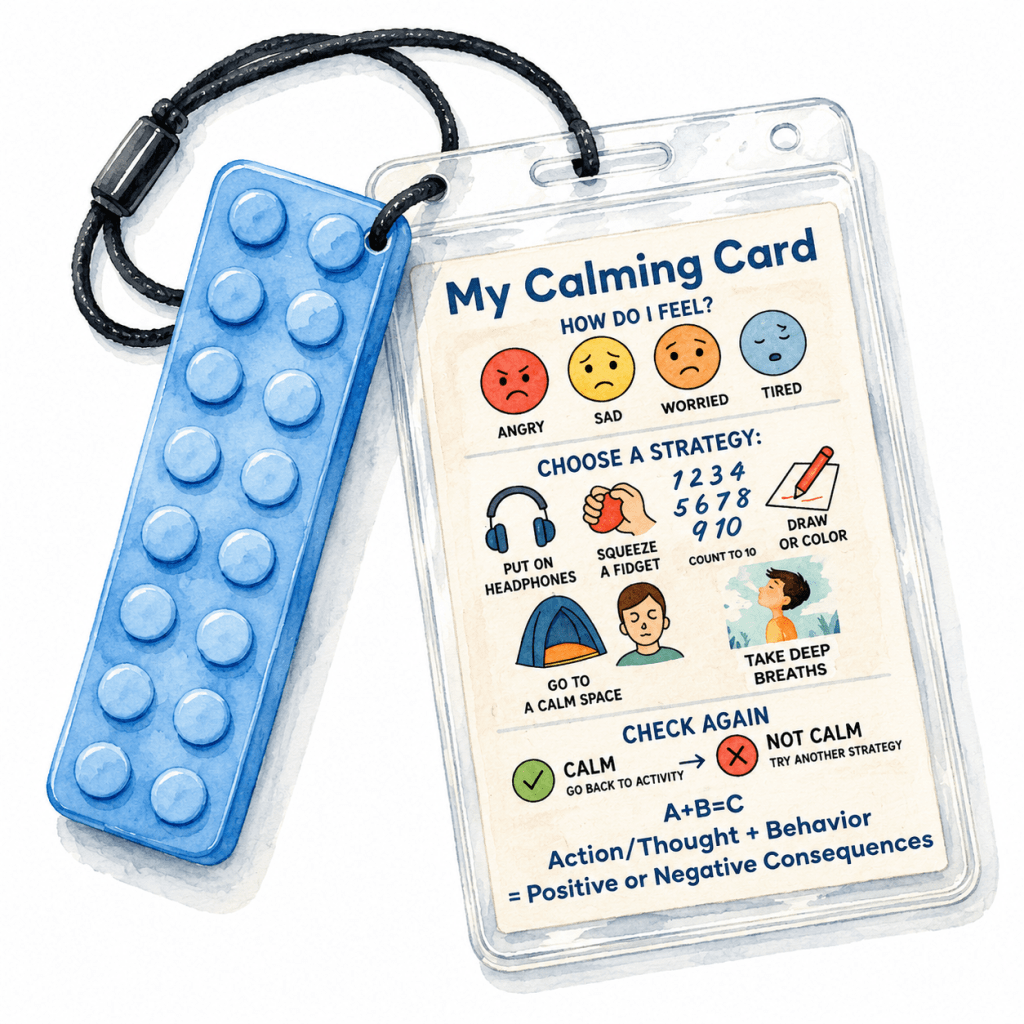
At the time my son was using a chew necklace, I decided to attach a badge holder with reminders to help him calm down. I labeled it “My Calming Card” I can’t remember exactly where I got the original template yet I added more to it. Safe to say it helped us. We unexpectedly went a full semester of school without therapy and he had the right tools to help get by during a school day.
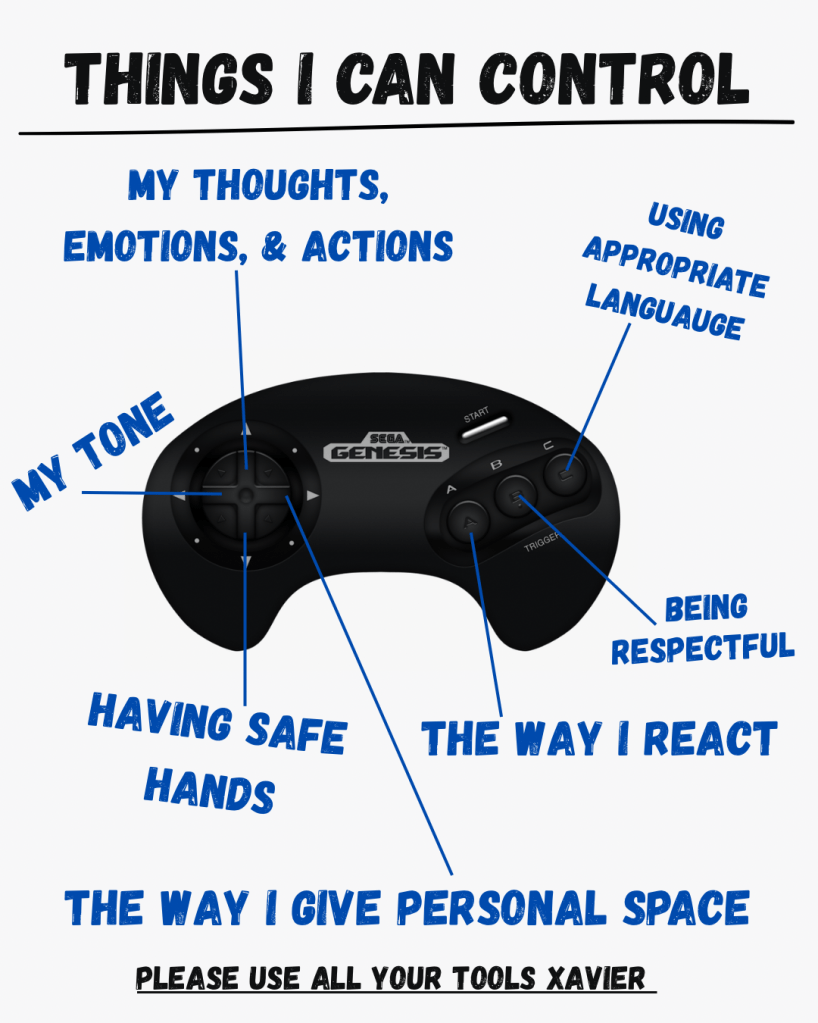
I’m constantly creating things that I know my son can have access to while he is in school. This template that incorporates his favorite gaming console is meant to help guide him into what he can control.
If you have any questions or need help creating something for your child don’t hesitate to send me an email!
Understanding the Journey to a Developmental Diagnosis.
Before I proceed in sharing, I want to clarify that I am no licensed professional. I am sharing from my personal and previous healthcare work experience. Therefore I do understand the importance of each appointment, I will proceed to mention.
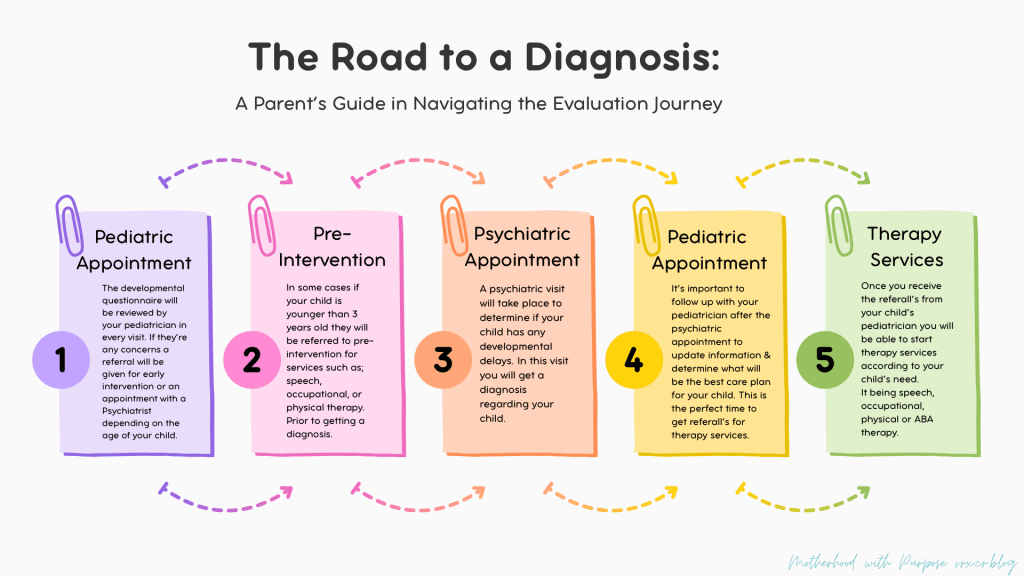
During a child’s development (2-36 months) there will be multiple pediatric visits. The purpose of those visits are for the pediatrician to observe and analyze your child’s developmental milestones according to their age. Developmental milestones are the physical, social, emotional, cognitive, and communication skills children are expected to reach at specific ages. That is why in each visit a Parent or Caregiver of the child fills out the “Ages & Stages Questionnaire”. It’s very important to fill out that questionnaire truthfully since it is reviewed by the child’s Pediatrician. While reviewing the questionnaire if the Pediatrician determines there are any developmental concerns regarding the child they will be addressing that with the Parent or Caregiver.
In my experience there were concerns regarding my children’s development. My oldest son wasn’t speaking in short sentences by the age of 3 and my youngest son wasn’t eating solids, crawling, nor sitting on his own by 9 months. My oldest was referred to a Psychiatrist right away and the youngest was referred to neurologist and early intervention by 15 months old.
After a Pediatric Appointment you will be referred to either Pre- Intervention or a Psychiatric Appointment.
If you are referred to a Pre-Intervention appointment the plan of action will be determined by the evaluations they will do to your child. Determining if he or she might benefit of any therapy services.
If you are referred to a Psychiatric appointment your child will be evaluated by a Psychologist that specializes in children’s development. The evaluation appointment is a very in depth process because it consists of parent/doctor communication and interaction with the child. The whole process might take 2 hours.
In my experience not once did I have to step out of the room, I remained in the room at all times. The appointments did take about 2 hours. The second time around, I proceeded in taking all my written questions. I wished I would have done that the first time around. Be advised please take your questions, paper, and pen for notes.
After the Pre-Intervention or Psychiatric Appointment you will follow up with your child’s pediatrician to update the new information you received regarding your child. That is where a plan of action will take place for child according to his or her diagnosis. During this time it’s important to ask all the questions you may have. At the end of the day you know your child’s best and you will be your child’s best advocate. Don’t be afraid to ask! Ask for therapy referrals if they weren’t given as an option or if needed even ask for a second opinion. You don’t have to go back to the same clinics you got previously referred to. I won’t ever stop encouraging people to advocate for themselves or their loved ones. If we won’t do it who will?
In my personal experience my oldest son got referred to Applied Behavioral Analysis Therapy (ABA) due to his age. While my youngest got referred to neurology appointments, speech therapy, and occupational therapy until he became 3 years old and was given a diagnosis of Autism Spectrum Disorder Level 2 with Speech Impairment.
I hope this information was of benefit to you, if you have any more questions don’t hesitate to reach out.
One appointment at a time. One question at a time. One step closer to understanding your child.
In the spring semester of 2024, for my English class, I was assigned a paper in which I was to write as if I were speaking to my past self about a life-altering experience. I decided to write to the young Vicky, who was navigating the internet, searching for more information about Autism Spectrum Disorder, and eventually came across a blog. She felt as if the blog post writer was speaking to her directly; that’s because she was. I write in detail about a time when my son got diagnosed with autism spectrum disorder and how uncertain the future felt. The intentions I had when I decided to share a deep personal experience were to help other parents in the same predicament as I once was, not to feel alone. I can only hope that my words resonate with their experience. It’s been quite a few years since then, and the growth has been astonishing, not just with my son but within me as well.
Society has developed ways for us to have accessible answers to our questions, whether that be a book, an article, a blog post, or now a YouTube video. They have created manuals for any item you purchase that requires building. Don’t you wish life was always this easy? Don’t you wish life also came with a manual? A manual for that area of your life with such significance and value that it requires guidance. No book can prepare you for motherhood, let alone when your child receives an Autism Spectrum Disorder diagnosis. No book can validate the emotions you are currently experiencing, but I can. I will. You just went through a life-changing experience, and I want you to know I validate your emotions. It is entirely valid for you to be currently experiencing feelings of sadness, confusion, and fear. It is completely okay not to want to give explanations or speak more in-depth with extended family members about the diagnosis; you are still processing what you went through. It is okay for you to continue to research more about Autism Spectrum Disorder. It led you to this blog post, and I am grateful for it. Now, I have to be honest; I will tell you what is not okay. It is not okay to feel hopeless. It is not okay to feel guilty. It is not okay to question yourself as a mother. To be doubtful and fearful of the future will prevent you from growing. You have the potential to grow tremendously in this area of your life. Believe me when I tell you that it gets better. For it to get better, it will get worse. I am not telling you these words so you can become discouraged. I must acknowledge that you will experience adversity due to your lack of understanding. And in those moments, you will realize that patience is a virtue. You will learn and grow. You will find new ways to improve your son’s quality of life. You will attend parent educational meetings to help you understand more about Autism Spectrum Disorder. Your circumstances should not define you. You are adapting and accepting life as it is, which will redefine you. Adapting to your new life will be easier said than done. Let me explain why: you are embarking on a new journey of organization, productivity, and communication. Due to frequent pediatrician-therapy appointments, you will learn how to become more organized with your schedule and time. In the beginning, you won’t make sense of it, but becoming more productive will be on your agenda because it will bring closure. Closure to the idea of the life you thought you would live. You will interact with other parents going through the same life experience as you, who eventually will become your closest friends. Your faith will grow. And your communication skills will expand once you realize that your son’s method of communication is not verbal. Through it all, you will remain hopeful of the future. You will hope that one day, your son will communicate with you with words rather than body or sign language. You will expect to see growth in your son’s social skills because you will understand the benefits of all the therapy services he receives. Eventually, you will experience an impactful moment when you witness your son socializing with his older brother like he never has before. Not only will he be interacting, but he will also be interested in the toys he is playing with, which is major because he wouldn’t attempt to engage with toys before. Experiencing moments like that in your life will give you the drive to continue persevering. The definition of perseverance is the ability to continue to do something despite obstacles, failure, or opposition. That defines your new life. After your son receives the diagnosis, you will realize how resilient you and your family can be. Not only will you adapt to the unique circumstances, but you will also advise parents who are in a position you were once in. Your advice will consist of the knowledge you wish to have acquired in those early days. Do not lose hope when you realize that your previous lifestyle no longer resonates with you and you start to feel alone. I assure you that your loneliness won’t be in vain. You will meet individuals who will become your best support system. Allow help in your life. Do not be discouraged. At the end of the day, it does take a village to raise a child. This is only the beginning.
Do you struggle in remembering when is your child or children’s next pediatric appointment, therapy evaluation, parent teacher meeting or sport event? Would you like to know the secret to remembering it all?
Well let me give you the answer, there is no secret. As the years went by I learned to become better at setting reminders and annotations. You have to learn what method works best for you. In my home we have calendar boards where I write down every event during that month. I have created a shareable “Family Calendar” on our iPhones that include everyone’s appointments from therapies, doctor visits, and consultations. Last but not least I recently started to carry a pocket size planner. It’s easier for me to annotate important information when it’s given to me and store away reminder cards.
As I previously stated, there is no secret. I learned as the years went by that these methods were the best option for my family and I.
I wish I would have been that organized in high school haha’
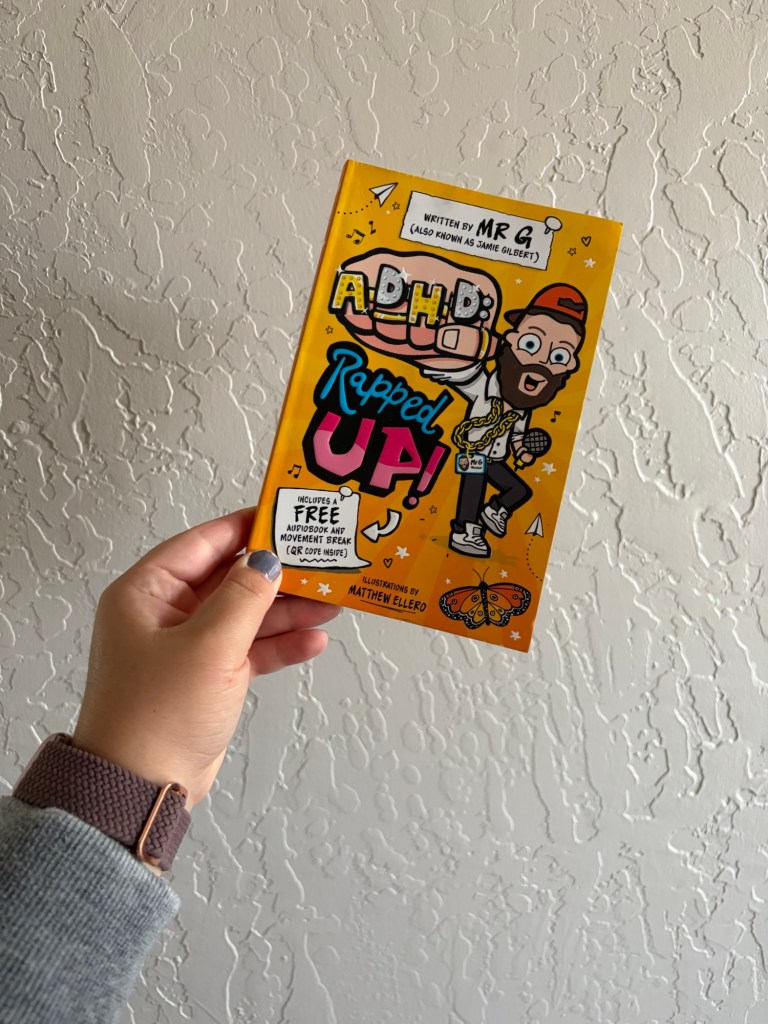
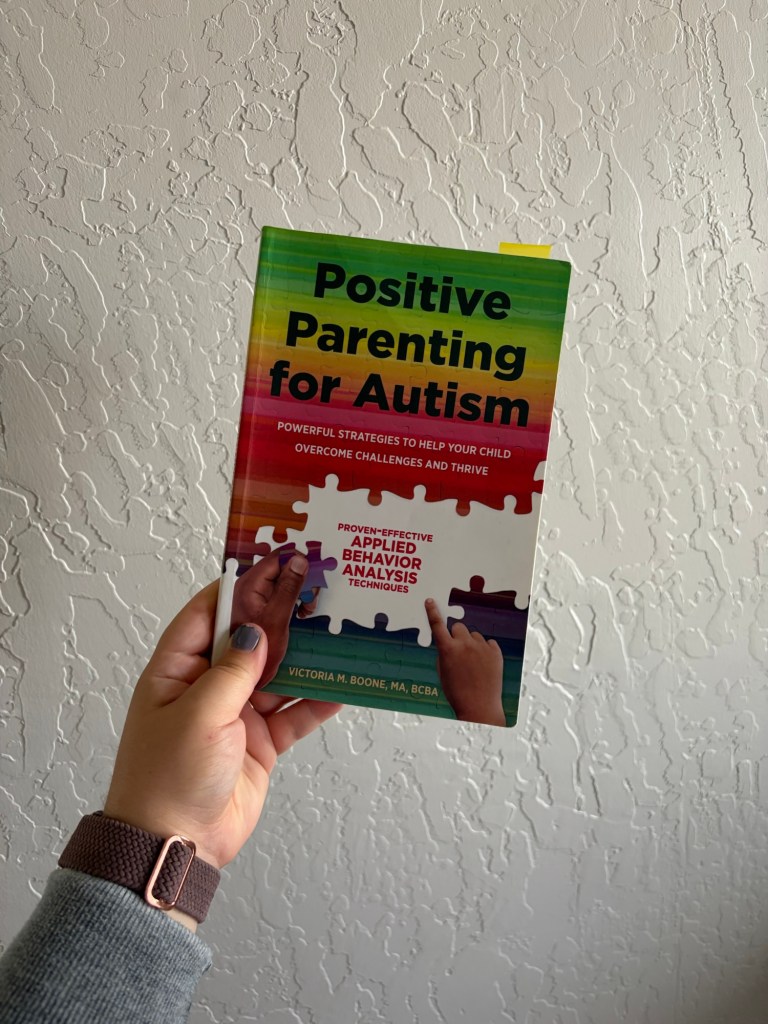
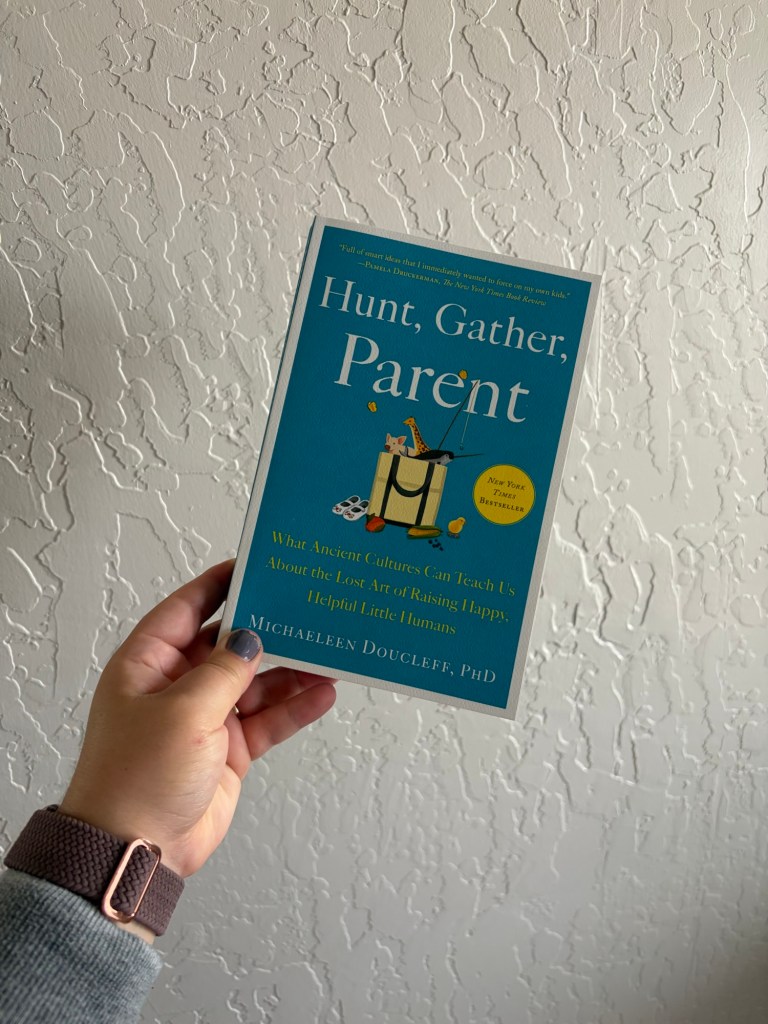
Through out the years I continued learning. I felt as if that was going to be the only way to help my children. I had to find answers when none were given to me. Here are a few books I have found very insightful and resourceful. I will share an Amazon link that will contain a list of all these books and then some.
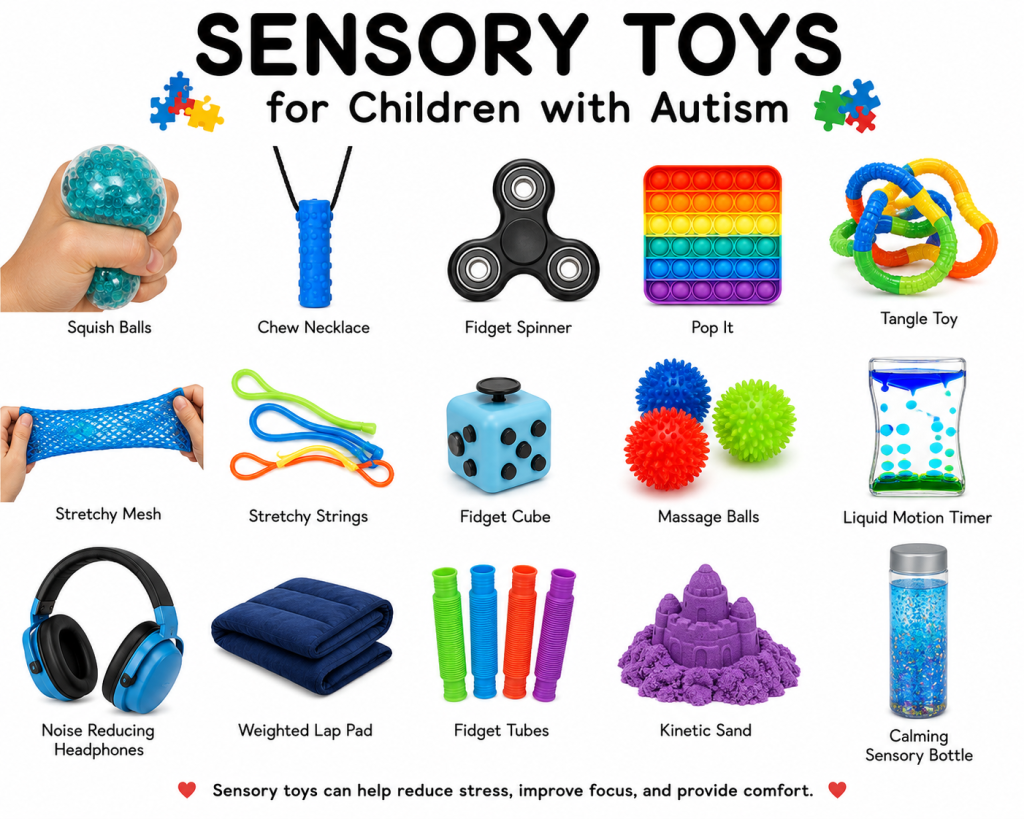
In the process of early intervention for my son I would notice loud noises would make him very uncomfortable. During that time frame he wasn’t officially diagnosed with ASD we were waiting per insurance policy for him to turn 3 years old to get a diagnosis. Yet, he did have early intervention services such as speech therapy and occupational therapy. I was extremely oblivious to anything related with Autism Spectrum Disorder. I was learning as time proceed to go by. With that being said I did not have any knowledge of the sensitivity an individual with Autism Spectrum Disorder can have to sound. I vividly remember my son’s 3rd birthday party while everyone sang the “Happy Birthday” theme song a moment filled with joy by our guests was masked by how uncomfortable my son looked while covering his ears. In that moment I realized I needed to do more extensive research on ASD. Proceeded on purchasing noise reduction headphones. I realized that the headphones became a valuable tool for my son, helping him block out overwhelming noise and sensory stimuli. The noise reduction headphones can also provide, a sense of calm and focus. It’s been years since then, my son is now capable of verbalizing when he needs or doesn’t need the headphones. As the years went by I continuously kept learning what other sensory needs my son had and the items that helped my child. Therefore I decided to create an Amazon list with sensory items I found helpful. I will include the link down below.
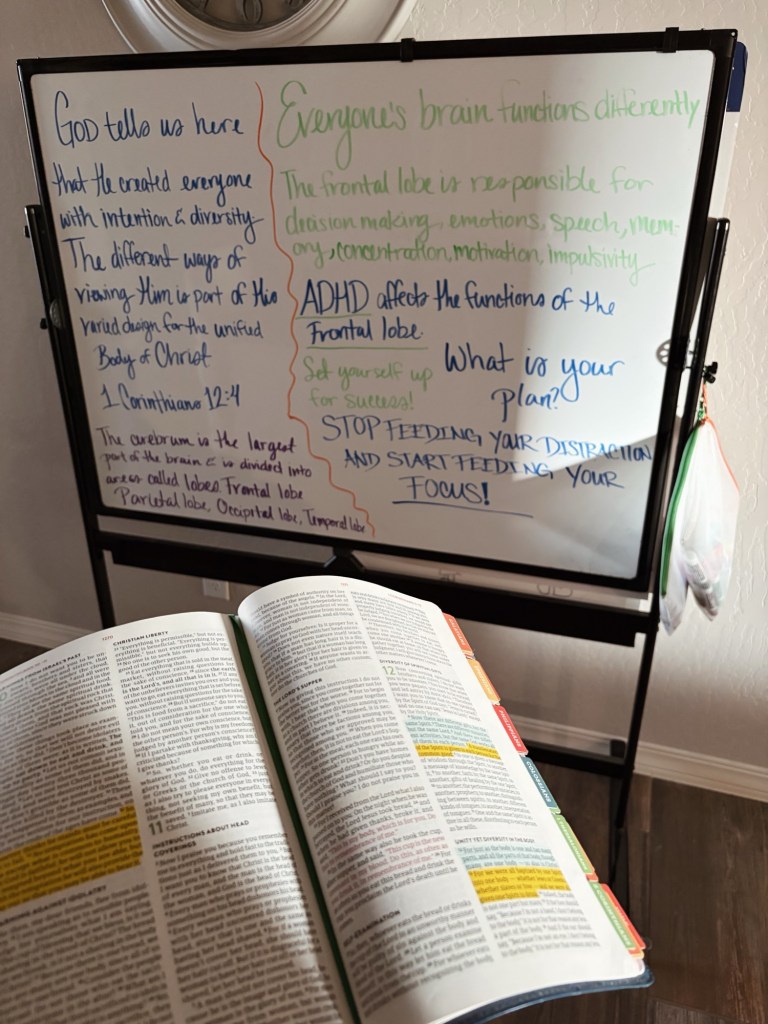
I am currently navigating a preteen who just started middle school and is learning to juggle his new responsibilities. As well as adapting to a recent diagnosis of ADHD. In May of 2017, he was diagnosed with autism spectrum disorder, yet we did see more traits of ADHD. I made the decision to get applied behavioral analysis therapy for him, and it worked out very well. Although that only lasted a little over a year. The years went by; his growth was continuous, marked by achievements and milestones. A social butterfly everywhere he went. Verbalized his needs and questioned the world around him. Eventually, I noticed a few setbacks he struggled with: organization, drifting into daydreaming during homework, a lack of motivation, and extreme impulsivity, which left him unaware of his surroundings. The signs couldn’t be any clearer. Was he misdiagnosed? Does he have ADHD & ASD? Everything I had learned about Autism Spectrum Disorder was now being replaced by learning all I could about ADHD. The irony of finding myself in a position of renewing my mind with new information. Well, we are approaching the second year of his diagnosis with ADHD, and every day we are learning something new regarding ADHD. Taking an in-depth dive into Neurology, neurons, and cerebrum. The functions of the lobes in the brain. Specifically, the frontal lobe is the one most affected by ADHD. I stated ‘we’ because, in our experience, I believed it benefited my son to know the why, how, who, and when. He’s a visual learner; therefore, he needs a full picture to fully comprehend what is being explained. And while doing so, I am trying to incorporate biblical principles. His understanding that God created us not only in his own image but with intention and diversity. In 1 Corinthians 12:4-6, “There are diversities of gifts, but the same Spirit. There are differences of ministries, but the same Lord. And there are diversities of activities, but it is the same God who works all in all.” NKJV God tells us here that he created everyone with intention and diversity. The different ways of viewing Him are part of His varied design for the unified Body of Christ. I want my son, your son, your daughter, anyone who is adapting to a new diagnosis, to feel assured that God made them in his own loving image. Throughout the adversity and uncertainty, that’s when one should persist in faith.